| Up to 100 Meters Between Vehicle and Charging Station: Vector Launches vSECC.InPlug for Bus and Truck Depots |
 |
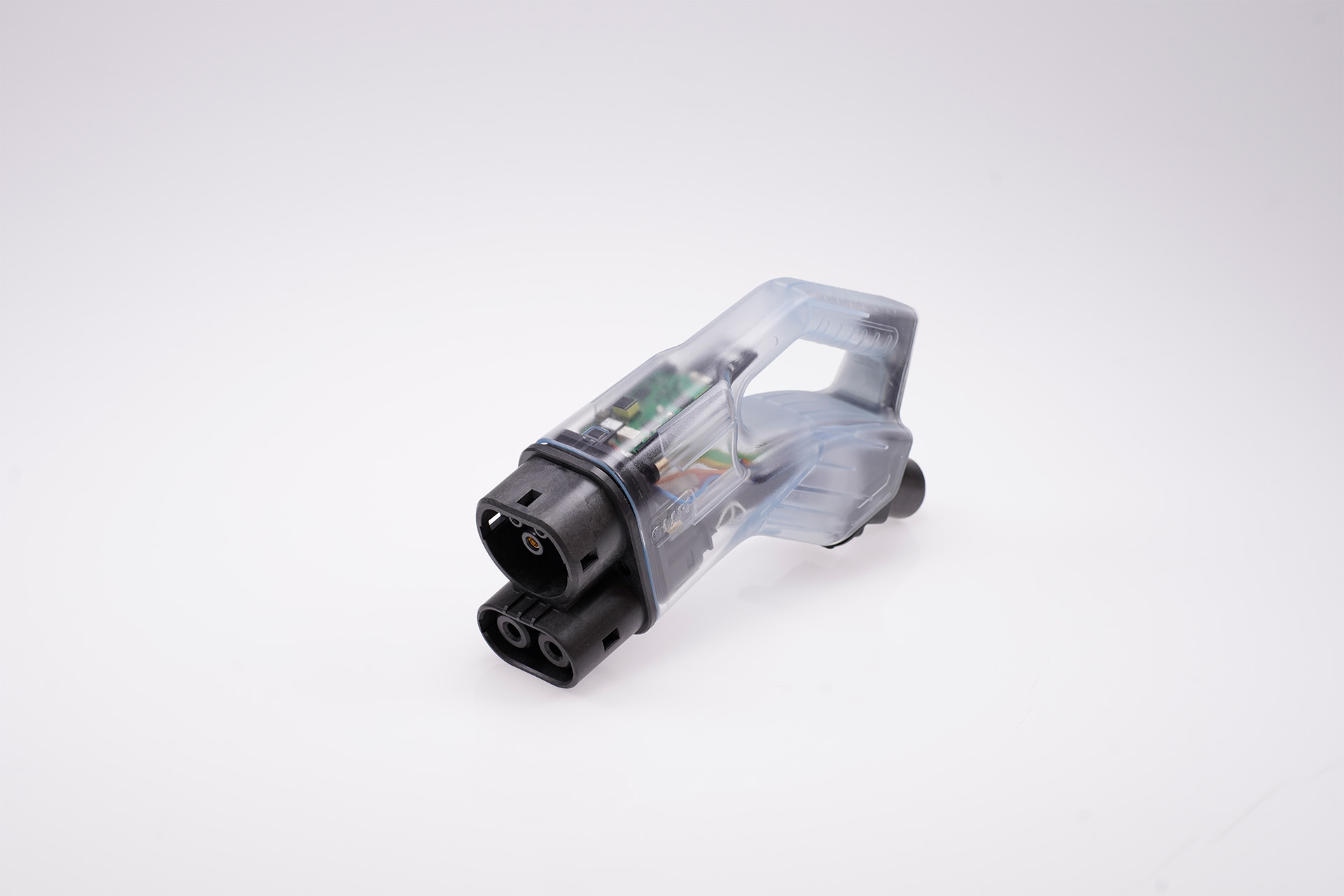
| Stuttgart, GERMANY, 2026-09-07 – Vector is introducing vSECC.InPlug, a new communication controller board for DC charging infrastructures. By relocating charging communication directly into the DC charging connector, the solution enables cable runs of up to 100 meters between vehicle and charging station. This gives bus and truck depot operators greater flexibility when planning and building their charging infrastructure. Moreover, Vector is launching vCharM.DMS, its first depot management system for digital operating processes in bus depots. The company will showcase both solutions at IAA TRANSPORTATION 2026 in Hanover. In bus and truck depots, the location of charging stations is determined by parking bays, vehicle dimensions and traffic routes. At the same time, power electronics require suitable installation areas with sufficient power supply and cooling. Conventional DC charging architectures limit the distance between the charging communication controller and the vehicle to approximately 7.5 meters. Charging Communication in the Connector, Control in the Cabinet With vSECC.InPlug, Vector relocates the charging communication controller directly into the DC charging connector. Installed inside the connector, the board handles power line communication with the vehicle. A second controller, such as vSECC, remains centrally located in the control cabinet and continues to manage the charging process, communication protocols, power electronics and backend connectivity. This division of responsibilities enables long cable runs between the centrally located power electronics and the charging connector, allowing distances of up to 100 meters between the charging station and the vehicle. The architecture is particularly suitable for bus and truck depots as well as charging infrastructure with centrally located power electronics or geographically distributed charging points. It allows planners to position charging points directly at vehicle parking bays while consolidating power electronics in locations with appropriate power supply and cooling. “In bus and truck depots, parking positions, vehicle dimensions, traffic routes and operating processes determine where charging points need to be installed. With vSECC.InPlug, operators can distribute charging points flexibly across large areas while keeping power electronics centralized. This creates greater freedom when planning and expanding charging infrastructure,” says Peter Guse, Senior Director Business Development at Vector. Integrated into LAPP’s Smart Charging Connector In collaboration with LAPP Mobility GmbH, Vector has integrated the vSECC.InPlug communication board into a DC charging connector. The technology is therefore already available as a fully integrated solution from LAPP. Charging infrastructure manufacturers can also integrate vSECC.InPlug independently into their own connector and system designs, making the solution suitable for a wide range of charging architectures and integration concepts. At IAA TRANSPORTATION, Vector and LAPP will demonstrate vSECC.InPlug using an exhibit featuring a transparent charging connector, a control cabinet and a miniature truck model. Visitors will be able to explore the system architecture and follow the complete communication path between the vehicle, connector and centralized charging infrastructure. Standards and Availability vSECC.InPlug supports IEC 61851, DIN SPEC 70121, ISO 15118-2, and ISO 15118-20. The solution is designed for bus and truck depot operators as well as charging infrastructure manufacturers seeking to decouple the location of charging points from the power electronics. Vehicle Status, Parking Positions and Departures in a Single Operational Overview With vCharM.DMS, Vector is also launching its first depot management system for small and medium-sized bus depots. The solution combines vehicle status, parking bay occupancy, maintenance information and scheduled departures in a single operational overview. Dispatchers, control center staff and workshop teams therefore work with the same set of data and can identify at an early stage which vehicles are ready for service and where action is required within the fleet. vCharM.DMS consolidates telematics data, information from vehicle manufacturers’ backends, as well as maintenance and operational data. Map and list views display each vehicle along with its assigned parking bay, current status and next scheduled departure. Reported defects, maintenance work, cleaning activities, and driver handovers are also incorporated into the assessment of vehicle readiness. Depot operators can deploy vCharM.DMS even before electrifying their fleet. As electric buses are added, the depot management system can be connected to the vCharM charging and energy management system. Confirmed departure times and the required state of charge are then transferred directly into charging planning. vCharM schedules charging sessions, calculates the required charging start time, and prioritizes vehicles according to operational requirements. Vector at IAA TRANSPORTATION 2026 Press Day: September 14, 2026, 3:40 p.m. Public Days: September 15–20, 2026 Venue: Hannover Exhibition Grounds, Germany Booth: Hall 13, Booth E10 More information: http://www.vector.com/en/product/vsecc-inplug/ and http://www.vector.com/en/product/vcharm-dms/ |
|
| About Vector Vector is a leading ecosystem partner for developing and operating software-defined systems. It unifies open platforms, AI-powered engineering workflows, tools, reference solutions, and services into a modular foundation spanning the entire lifecycle. Manufacturers and suppliers in Automotive and other industries rely on Vector to develop, operate, and continuously evolve software-defined systems faster and more safely, while focusing on the capabilities that differentiate their products in the market. As a key enabler of the software-defined vehicle (SDV), Vector brings its expertise also to charging infrastructure development through embedded software for charging communication, communication controllers for charging stations and wallboxes, backend solutions for load and energy management, and test systems that ensure quality and reliability. With this comprehensive portfolio, Vector enables scalable and future-ready e-mobility solutions. The independent foundation-owned company, headquartered in Stuttgart, Germany, employs 4,500 people worldwide and generated EUR 930 million in revenue in 2025. |

| Press Releases online: | 4833 |

 |
Press Releases | | | Newsletter | | | Search | | | Agency | | | German |